
Swimming In The Pacific
In our line of work, we get to swim in a lot of places. With two-thirds of the earth’s surface covered by water, we have plenty of choices...


In a social situation, the most common question we are asked is: “Where’s your favourite place to swim?”
It’s a question that’s almost impossible to answer. Everywhere we go is special. Everywhere we swim is different. And everywhere has something to offer that none of the other places can.
The Philippines has clear water, coral gardens, a luxurious resort, and whale sharks! Tonga has humpback whales. Sulawesi has super clear water, the coral reef, lots of turtles, and the largest diversity of marine life in the Indo-Pacific region.
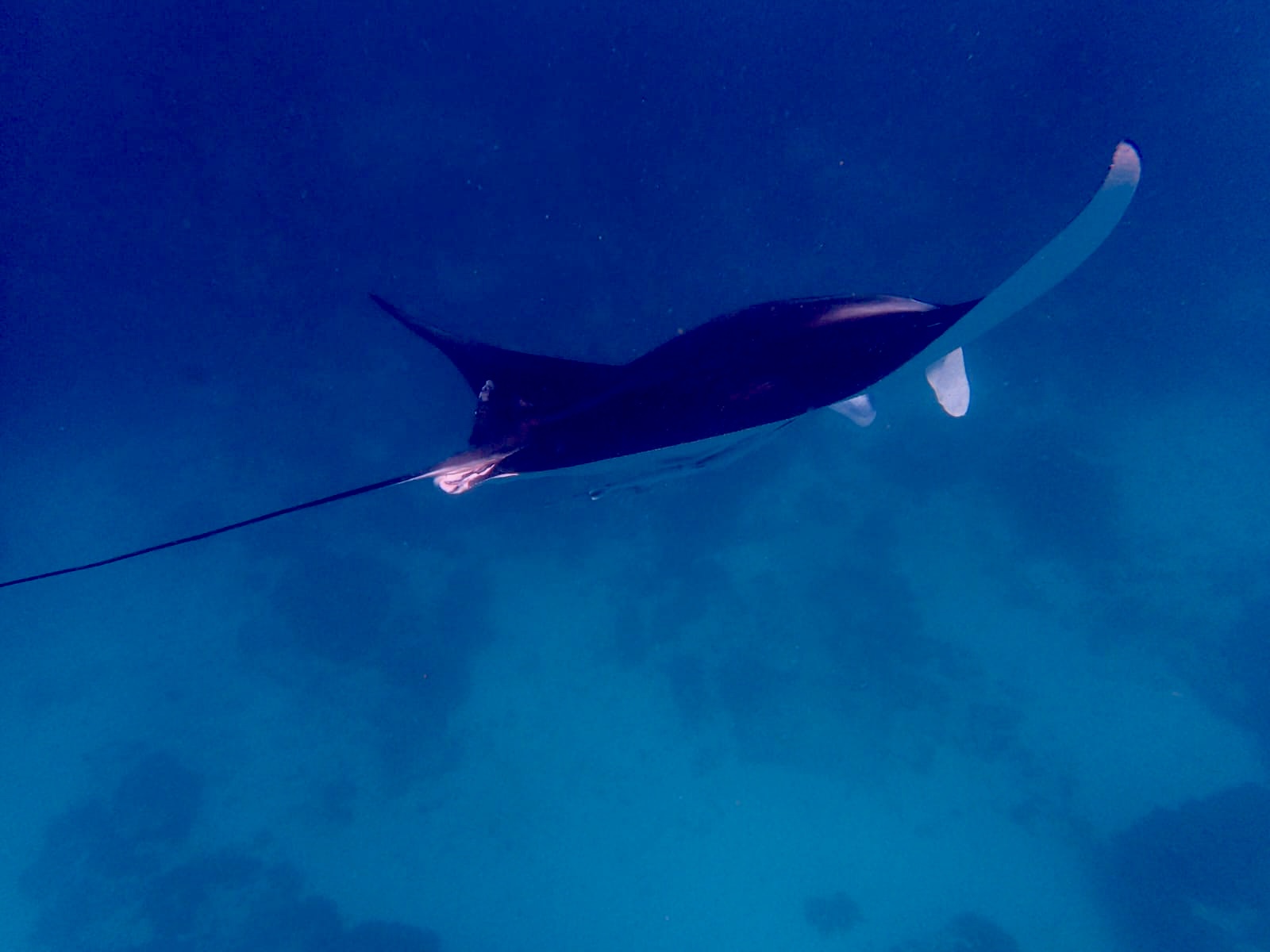
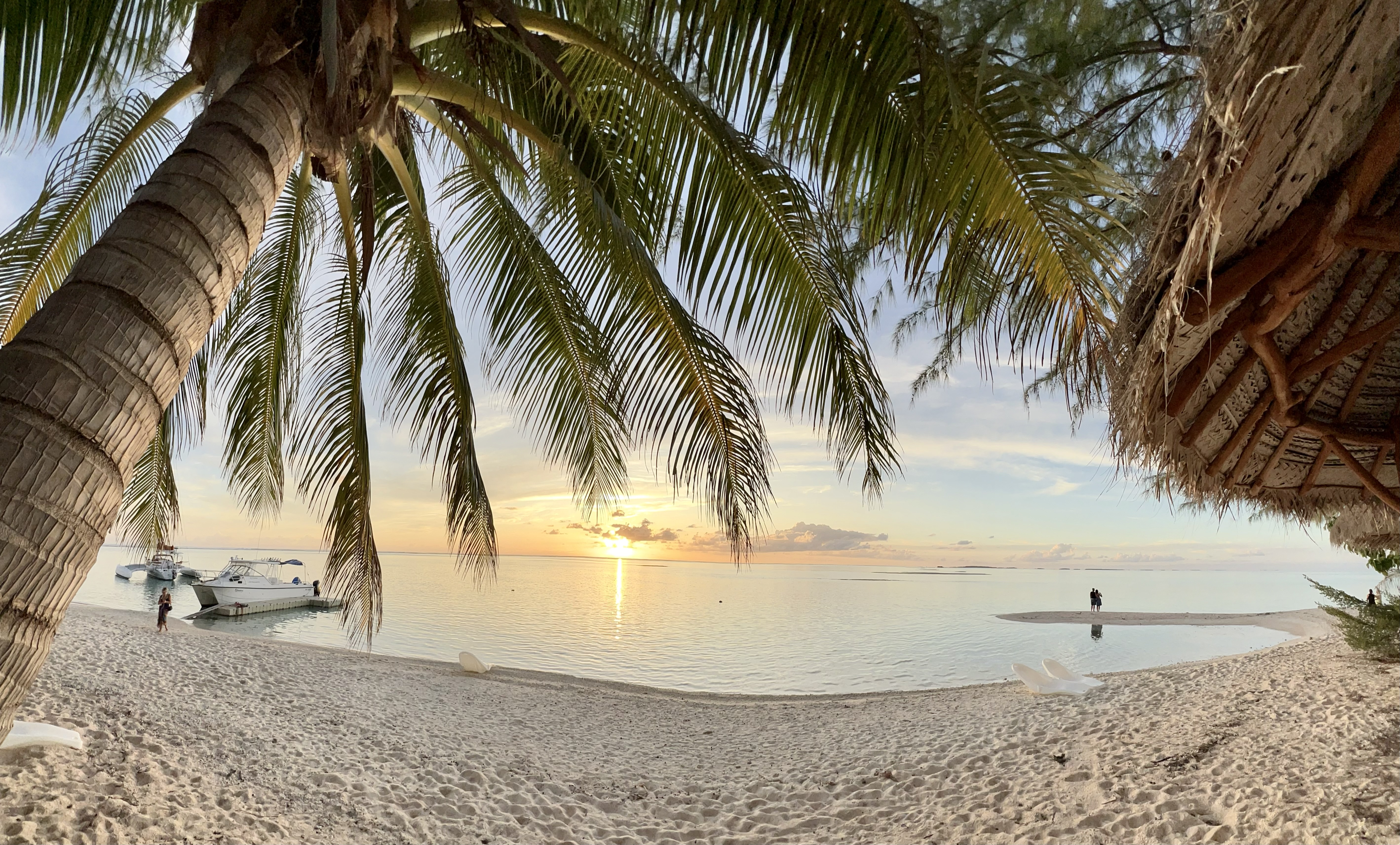
French Polynesia has some of the healthiest reef you’ll ever swim along - also, open-ocean, reef sharks, big rays that want to ‘kiss’ you, and cuisine that combines the ingredients of Polynesia with the traditions of France: ‘Swim the Pacific, dine in Paris!’
Costa Brava
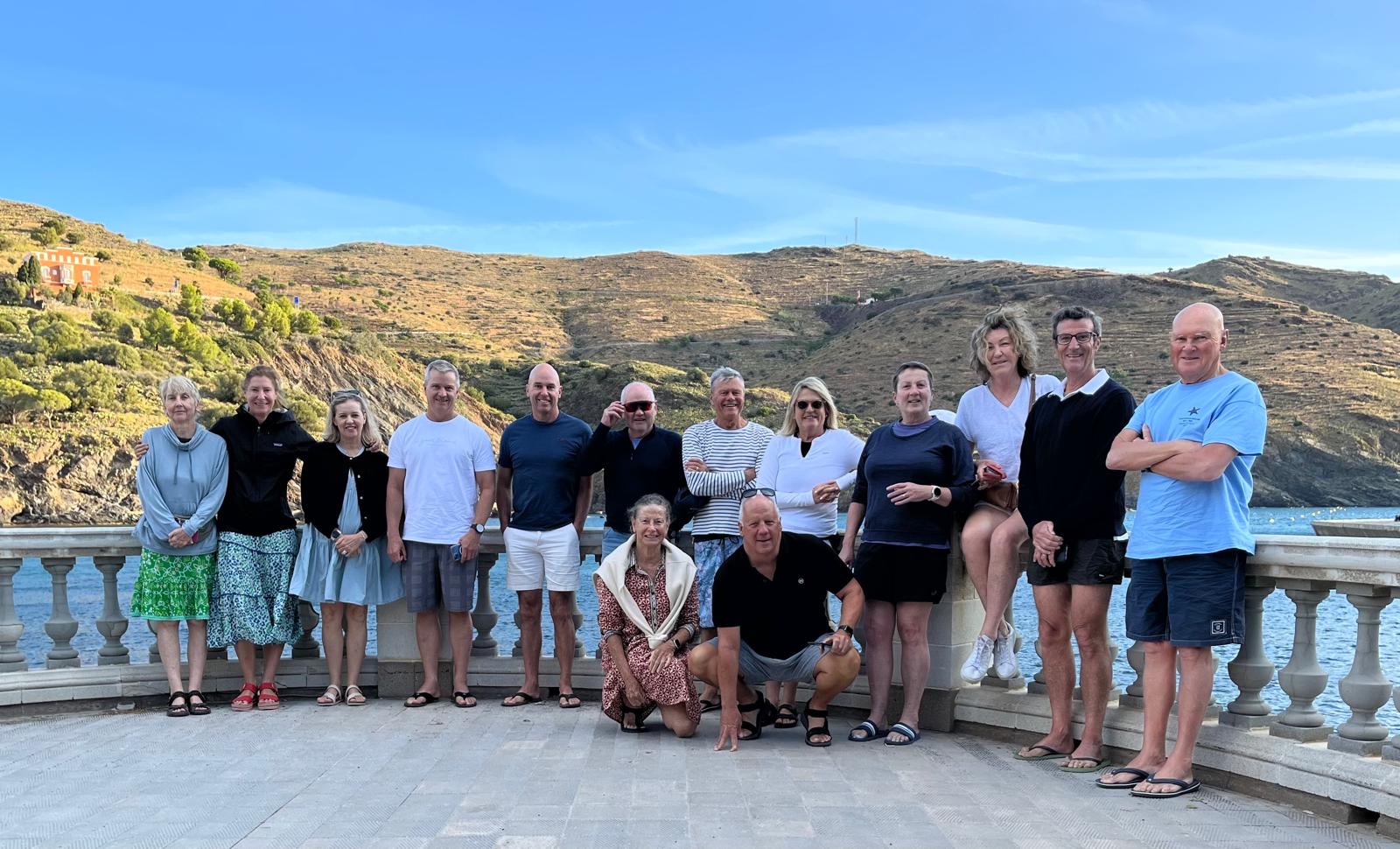
The Costa Brava in Catalonia, Spain, also offers some of the clearest water you’ll ever swim in, as well as history, culture (art and Dalì), and one of the most sought-after food and wine traditions in the world in the cuisine of the Empordà. On the Costa Brava, we swim from country to country, around the end of the Pyrenees. It’s such a multi-faceted place. Beautiful waters in the Med - although less fish than some of our other locations.
Heron Island
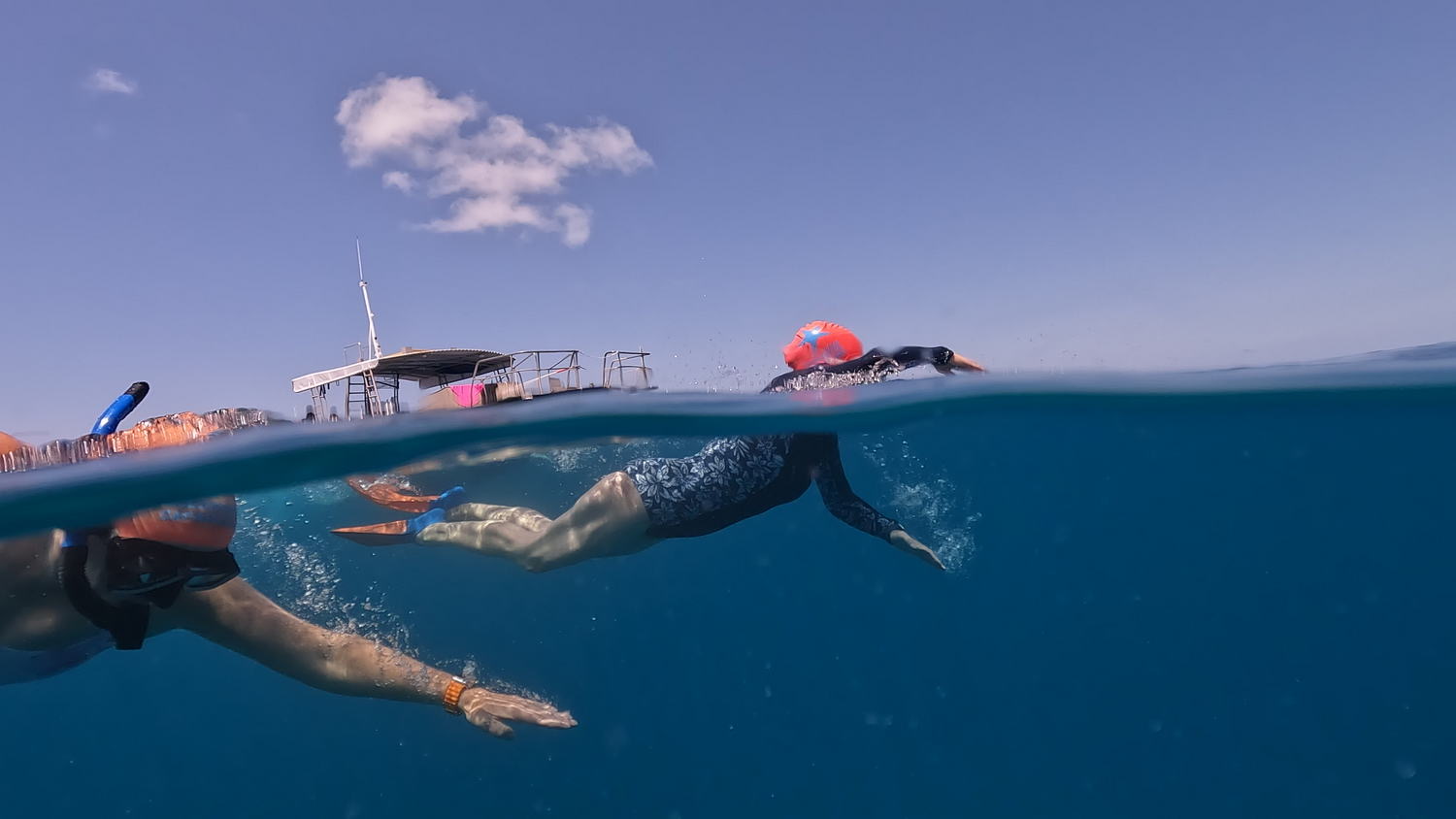
The lagoon around Heron Island is packed with reef sharks, rays, nesting turtles, and open ocean swimming along stunning reef drop-offs. One of the most satisfying experiences we have is listening to our swimmers arrive at Heron on the ferry. They spot their first reef sharks around the lagoon, beneath the jetty. “Look!” They exclaim - “There’s a shark!” By the time they leave a few days later, it’s softer: “Ooh… there’s a shark.” The exclamation has gone - they have gone through catharsis. The shark is now their friend.
The difference with most Pacific swims is the open ocean. In many of our locations we swim in the sea, but often within semi-enclosed archipelagos. In the open ocean, generally the only thing you can reach by heading straight out to sea is another country - somewhere in the distance. That means swell.
On the Strã’an east coast, we grew up at the beach, frolicking in waves. Surf is part of life - dealing with it is second nature to most of us. It’s easy to forget that while people from other places might like swimming in the sea, swimming in swell is something they may not be used to.
A few years back, we took a visiting German friend to a swim on the near South Coast, at Gerringong. The swim is 1.8-km from a boat harbour along the rock shelf into the main beach. There was about 30-cm of swell on the day - and from the east. Otherwise, it was calm. But the swell was hitting the rock shelf and bouncing back. Close in, the water was unsettled, not quite bumpy, but it wasn’t as smooth as early morning on a windless lake.
Our friend was a bit of an adventurer. He worked with a travel company, and he bobs up regularly on social media, doing adventures all around the world. But he was absolutely freaked by the conditions here. Any movement at all in the sea surface seemed to unnerve him. We swam with him, proffering reassuring encouragement, but we thought all the way along that he could raise his arm at any time and call to be hauled out by the water safety staff.
‘The poetic among you will see this as ‘a dance with the sea’...’
He made the distance; - it was a great achievement for him. Clearly, he had to conquer fear to do it. And it made us realise how different it is swimming in the open ocean to swimming in lakes and protected seas for swimmers not used to swell.
Swimming in the ocean with swell can be an exhilarating yet humbling experience. Unlike the still waters of a lake or the gentle lapping of a protected bay, the open ocean presents a dynamic, ever-changing environment. The swell rolls through you, lifting and lowering you with a rhythm that feels almost alive. With a following swell, you feel it lifting you from the feet, then rolling through you, your body accelerating as it progresses. You lengthen your stroke, almost surfing down the front of it, then it dumps you, like a jilted lover, wallowing in the trough, until the next one lifts your toes and rolls through again.
For seasoned ocean swimmers, the response to this constant movement becomes second nature. They ride the swells, their bodies instinctively adjusting to the ocean's movement. But for those unaccustomed to even gentle swell, this can be unsettling, making it hard to find a sustainable rhythm.
The poetic among you will see this as ‘a dance with the sea’.
The experience is both meditative and invigorating. It’s a reminder of the ocean's power and serenity.
It’s such a little thing for swimmers from Pacific littoral countries - not necessarily such a little thing for others. And it’s one of the key differences that we experience around the Pacific: we’re in the ocean, the open ocean. It’s different - it’s an adventure.
WORDS | Paul Ellercamp